What “fast” realistically means for Dutch
If you study consistently, Dutch can move quickly at the beginner stage because many words feel familiar: water, melk, appel, huis, goed, and so on. The hard parts usually come later: word order, separable verbs, de/het nouns, pronunciation, and understanding native speech at real speed.
A reasonable fast-track goal looks like this:
- A1 basics in 4-6 weeks with daily practice
- A2 everyday conversation in 3-4 months
- B1 practical independence in 6-9 months if you speak and listen often
Those timelines assume focused practice most days, not one long session on Sunday. For a broader study framework, see How to Learn a Language Fast.
Step-by-step: learn Dutch faster with Science Based Learning
1. Create your free account
Start by creating a Science Based Learning account on the website. You can sign up with email and password or use Google OAuth. After signup, verify your email if prompted, then download the iOS app and sign in.
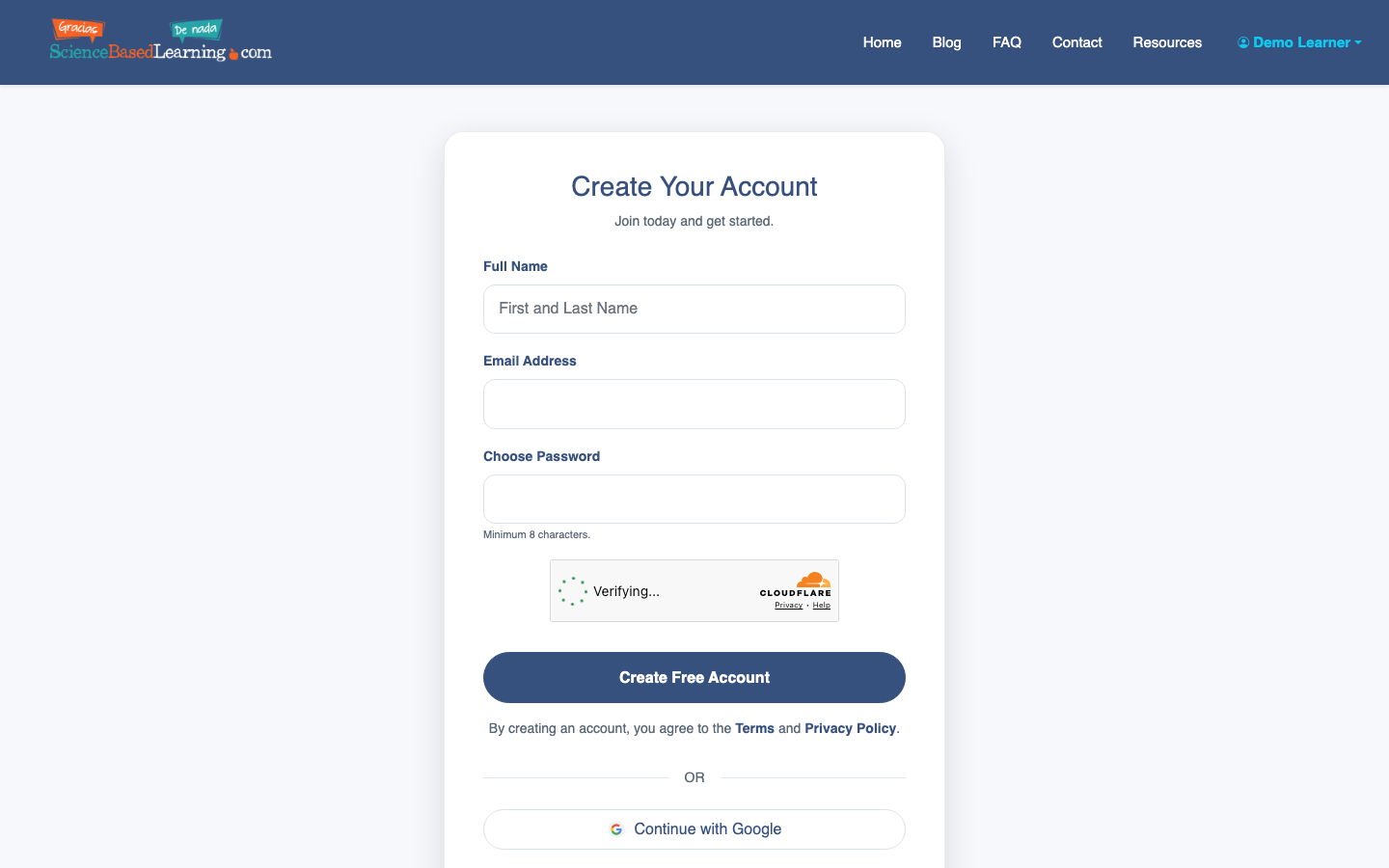
Account creation is free. Subscriptions are handled in the iOS app through Apple, so billing and purchase management happen through the App Store.
2. Choose Dutch and set your CEFR level
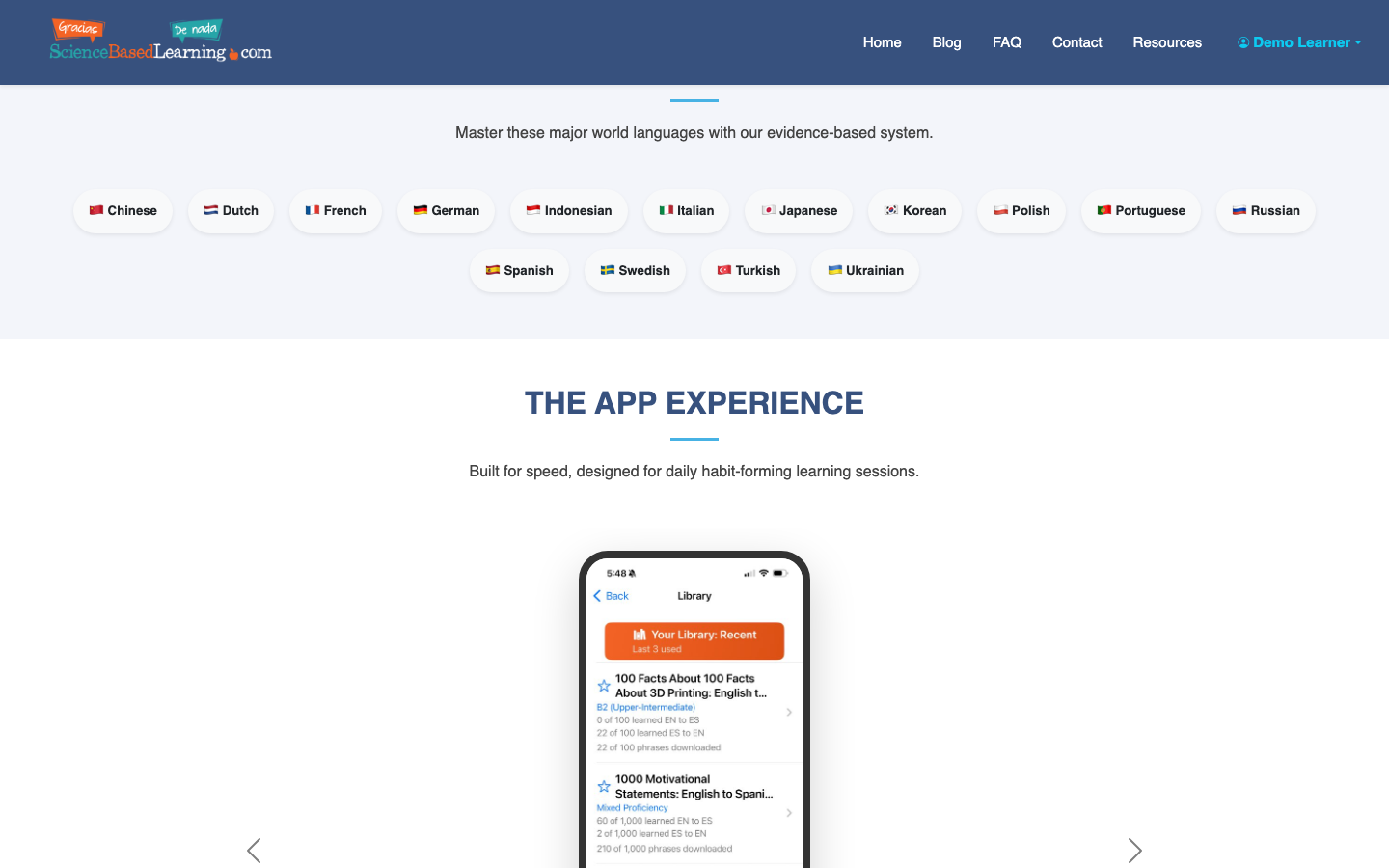
In the app, select Dutch from the supported languages and choose the CEFR level that best matches you. If you are new, start at A1. If you have studied before, resist the temptation to jump too high. A slightly easy starting level helps you build speed and confidence.
Use this simple placement rule:
- Choose A1 if you cannot introduce yourself comfortably
- Choose A2 if you can handle basic travel and daily-life phrases
- Choose B1 if you can explain opinions, plans, and past events slowly
- Choose B2 or higher if you already consume Dutch media with support
3. Build a 10-15 minute daily routine
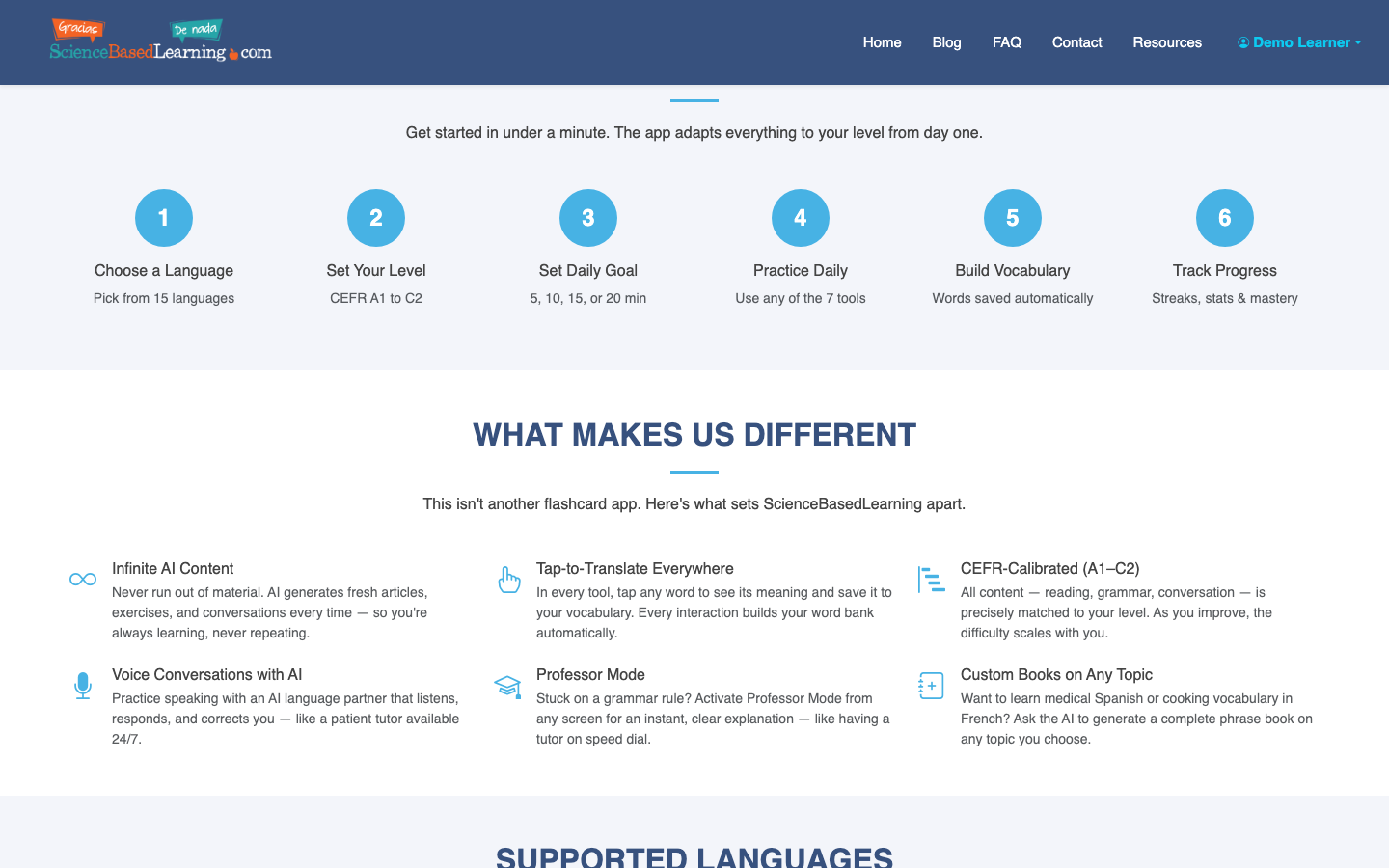
Science Based Learning is built around short daily sessions, which is ideal for Dutch. The goal is not to touch every skill every day. The goal is to rotate through the right tools often enough that vocabulary, grammar, listening, and speaking reinforce each other.
A strong beginner routine looks like this:
- Spend 3-4 minutes on spaced-repetition flashcards.
- Spend 4-5 minutes on listening drills with native audio.
- Spend 4-5 minutes on grammar puzzles or reading comprehension.
- Finish with 2-3 minutes of pronunciation or AI conversation practice.
If you only have 10 minutes, do flashcards, listening, and one speaking activity. If you have 20 minutes, add graded reading.
4. Use spaced repetition for Dutch vocabulary
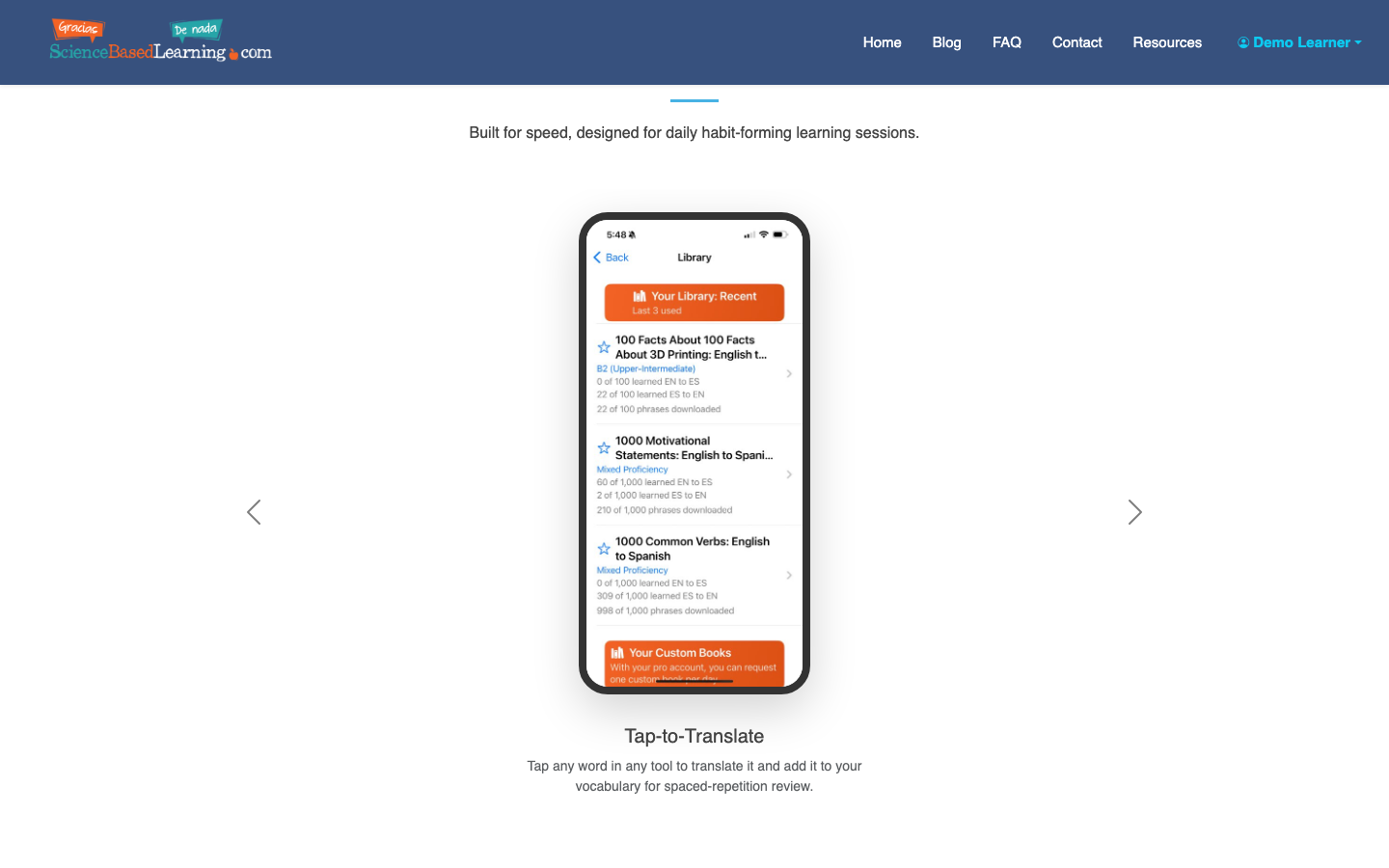
Dutch vocabulary sticks faster when you review it just before you forget it. Spaced repetition handles that timing for you. Instead of rereading long lists, you review smaller sets at increasing intervals.
Prioritize words and phrases you can actually use:
- Greetings and introductions
- Numbers, days, and time phrases
- Food, transport, home, work, and family vocabulary
- Common verbs like zijn, hebben, gaan, komen, willen, kunnen, moeten
- Sentence frames such as “Ik wil…”, “Ik heb…”, “Waar is…”, and “Hoe kan ik…”
5. Train your ear before you feel ready
Many learners delay listening because they want more vocabulary first. That slows Dutch down. Listening is where you learn rhythm, vowel sounds, sentence stress, and the way common words blend together.
Use native-audio listening drills even when you only understand part of the sentence. Replay short clips, shadow useful phrases, and listen for one target at a time: a verb ending, a familiar noun, or whether the speaker is asking a question.
For faster gains, add one outside habit: listen to 5 minutes of beginner Dutch audio during a walk, commute, or chores. Do not worry about understanding everything. The goal is repeated exposure.
6. Practice speaking early with AI conversation and pronunciation feedback
To learn Dutch fast, you need to produce sentences before they feel perfect. Use AI conversation practice for low-pressure speaking prompts, then use pronunciation feedback to clean up sounds that English speakers often miss.
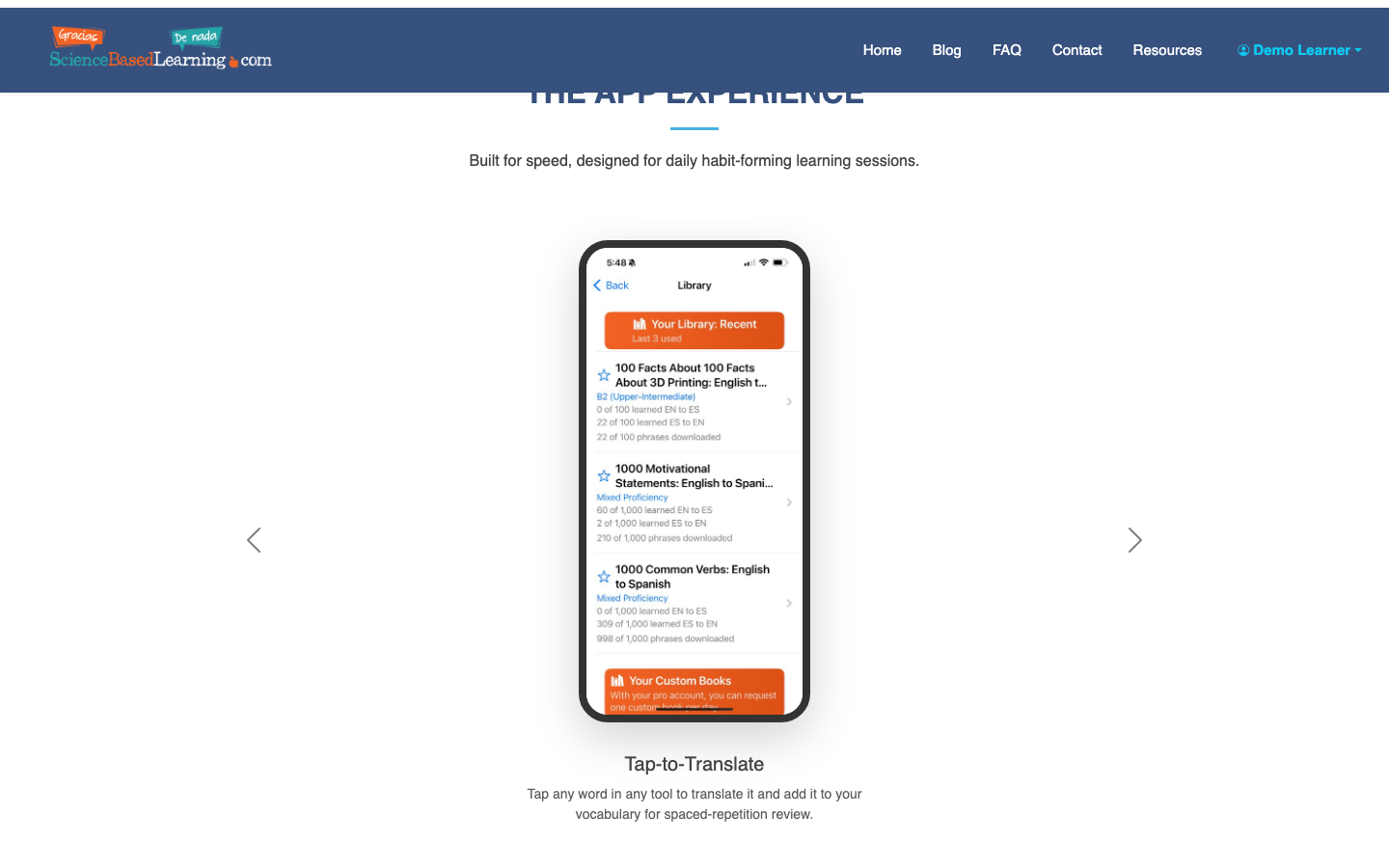
Focus on a few high-value speaking tasks first:
- Introduce yourself in 30 seconds
- Order coffee or food
- Ask for directions
- Explain your daily routine
- Describe what you did yesterday
- Say what you plan to do tomorrow
Dutch pronunciation improves faster when you compare yourself against short, repeatable phrases. Work on one phrase until it feels smooth, then move on.
7. Use grammar puzzles to fix word order
Dutch word order is one of the biggest speed bumps. You will meet patterns like verb-second word order, infinitives at the end, and subordinate clauses where the verb moves later in the sentence.
Grammar puzzles help because they make you actively build sentences instead of only recognizing them. Do not try to memorize every rule at once. Learn patterns through examples:
- Ik ga morgen naar Amsterdam.
- Morgen ga ik naar Amsterdam.
- Ik wil Nederlands leren.
- Omdat ik Nederlands wil leren.
Read each completed sentence out loud. That connects grammar to speaking, which matters more than silently getting the puzzle right.
8. Keep a daily streak, but measure the right thing
A streak is useful because it lowers the friction of starting. But the real metric is whether you can understand and say more Dutch each week.
Track three simple outcomes:
- New words you can recall without looking
- Sentences you can say out loud smoothly
- Audio clips you understand after two or three listens
If you miss a day, restart the next day without trying to “make up” everything. Consistency over 30 days beats one exhausting catch-up session.
A faster weekly plan for Dutch
Use the app daily, then add two or three focused weekly blocks if you want faster progress:
- 2 speaking sessions of 15-20 minutes using AI conversation prompts
- 2 listening sessions of 15 minutes with Dutch audio at your level
- 1 writing session where you write 8-10 simple sentences and read them aloud
This mix works because it avoids the common trap of only recognizing Dutch. Recognition is useful, but speed comes when you can recall, hear, and produce language under light pressure.
Common mistakes that slow Dutch learners down
The first mistake is over-studying grammar before using the language. Dutch grammar matters, but you will learn it faster when it explains sentences you are already trying to say.
The second mistake is avoiding pronunciation. Sounds like ui, g, sch, and long versus short vowels can change how natural you sound. Short daily pronunciation practice is better than occasional correction.
The third mistake is using only English-like words. Cognates help at the start, but real Dutch fluency requires everyday verbs, connectors, and sentence patterns.
When to move up a level
Move from A1 to A2 when you can introduce yourself, ask basic questions, understand slow everyday audio, and form simple present-tense sentences. Move toward B1 when you can talk about past events, plans, preferences, and familiar topics without building every sentence from scratch.
If you are also learning another language, compare routines with How to Learn Spanish Fast or How to Learn Korean Fast. The tools are similar, but Dutch rewards early listening and sentence-pattern practice especially well.