What “fast” means for Hindi
If you are starting from zero, a practical fast goal is to read simple Devanagari, introduce yourself, ask basic questions, and understand slow beginner audio within 8-12 weeks. Reaching comfortable conversation takes longer, but you can make visible progress quickly if your study time is focused.
Hindi has three early challenges:
- Devanagari script, which is phonetic but unfamiliar to many English speakers
- Gendered nouns and postpositions, which change how sentences are built
- New sounds, including retroflex consonants and aspirated consonants
The upside: Hindi pronunciation is relatively consistent once you learn the script, and common sentence patterns repeat often. A good routine lets those patterns become automatic.
Timelines do vary a great deal between languages. One that shares the Latin alphabet and a lot of vocabulary with English, such as Dutch, usually moves faster in the opening weeks simply because there is no new script to absorb: How to Learn Dutch Fast.
Step-by-step: how to learn Hindi fast with Science Based Learning
1. Confirm Hindi is available and choose your level
Start on the languages section and select Hindi. Science Based Learning supports Hindi from CEFR A1 through C2, so beginners can start at A1 while more experienced learners can place themselves higher.

If you are unsure, choose the easier level. Hindi builds on small grammar habits, and it is better to move quickly through material you partially know than to struggle through lessons where every word is new.
2. Create your free account
Create an account with email and password or Google OAuth before downloading the iOS app. This keeps your language choice, level, streak, and progress connected to your account.

After signup, verify your email if prompted. Then download the iOS app and sign in with the same account. Subscriptions are handled in-app through Apple, so the website account and App Store billing are separate parts of the setup.
3. Build a 10-15 minute Hindi routine
Use the daily routine as your default plan: review, learn, listen, speak, and close with a quick check. This matters more than doing one long session on the weekend.

A strong beginner session looks like this:
- Spend 3 minutes on spaced-repetition flashcards.
- Spend 3 minutes on Devanagari and core vocabulary.
- Spend 3 minutes on native-audio listening drills.
- Spend 3 minutes on one grammar puzzle or reading passage.
- Spend 2-3 minutes speaking aloud with pronunciation feedback or AI conversation practice.
That is enough to touch every skill without overwhelming your working memory.
4. Use flashcards for Hindi words you actually need
For fast progress, prioritize high-frequency words and phrases: greetings, pronouns, family, food, places, transport, numbers, time, and common verbs like go, want, have, eat, come, know, and speak.
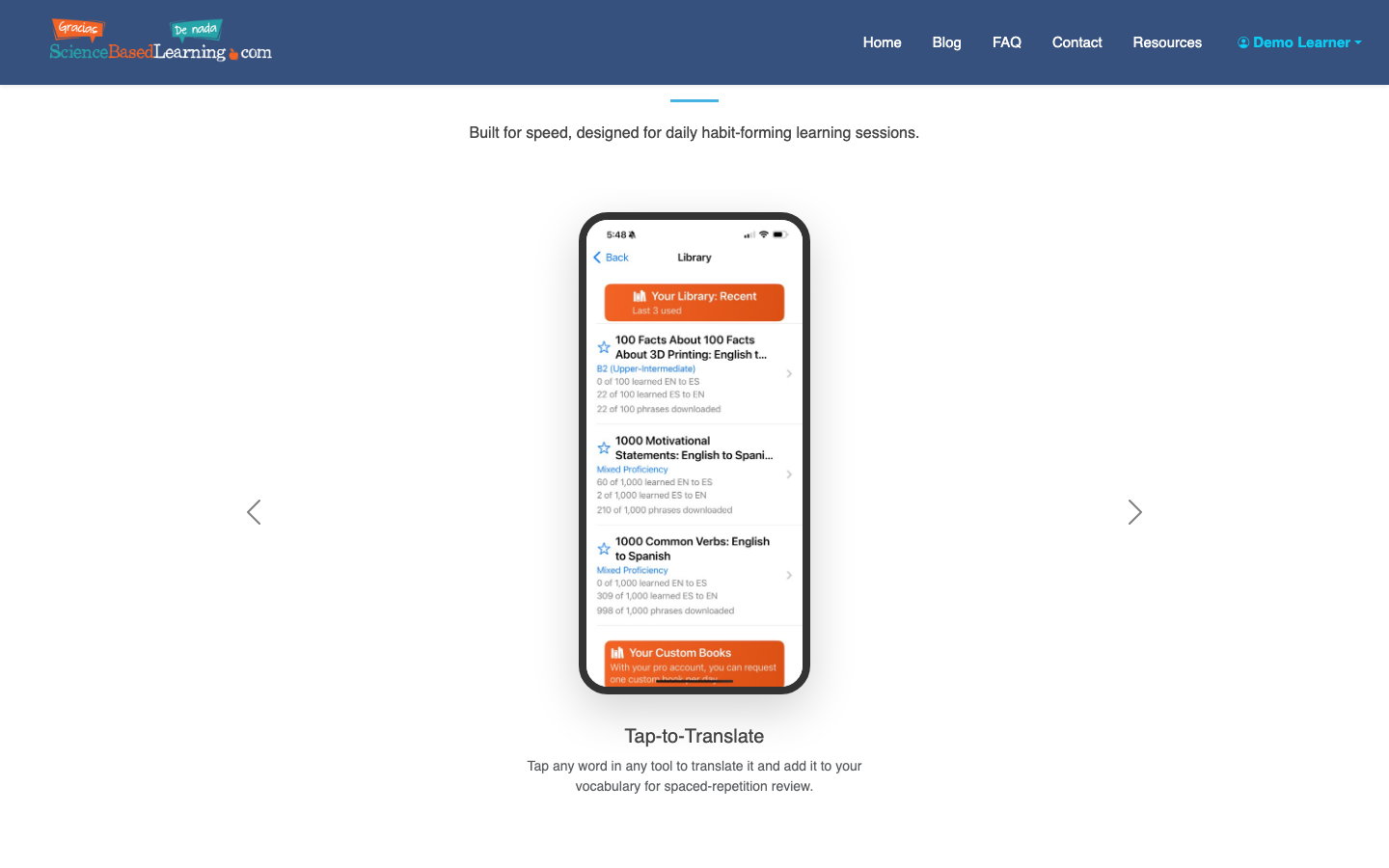
Spaced repetition helps because Hindi vocabulary sticks better when you see it just before you are likely to forget it. Do not add 100 new words in a day. Add 8-15 useful words, review them tomorrow, and use them in short sentences.
5. Practice listening before you feel ready
Listening drills with native audio should start in week one. Hindi learners often wait until they “know enough words,” but listening is how you train your ear for natural rhythm, aspiration, retroflex sounds, and common reductions.
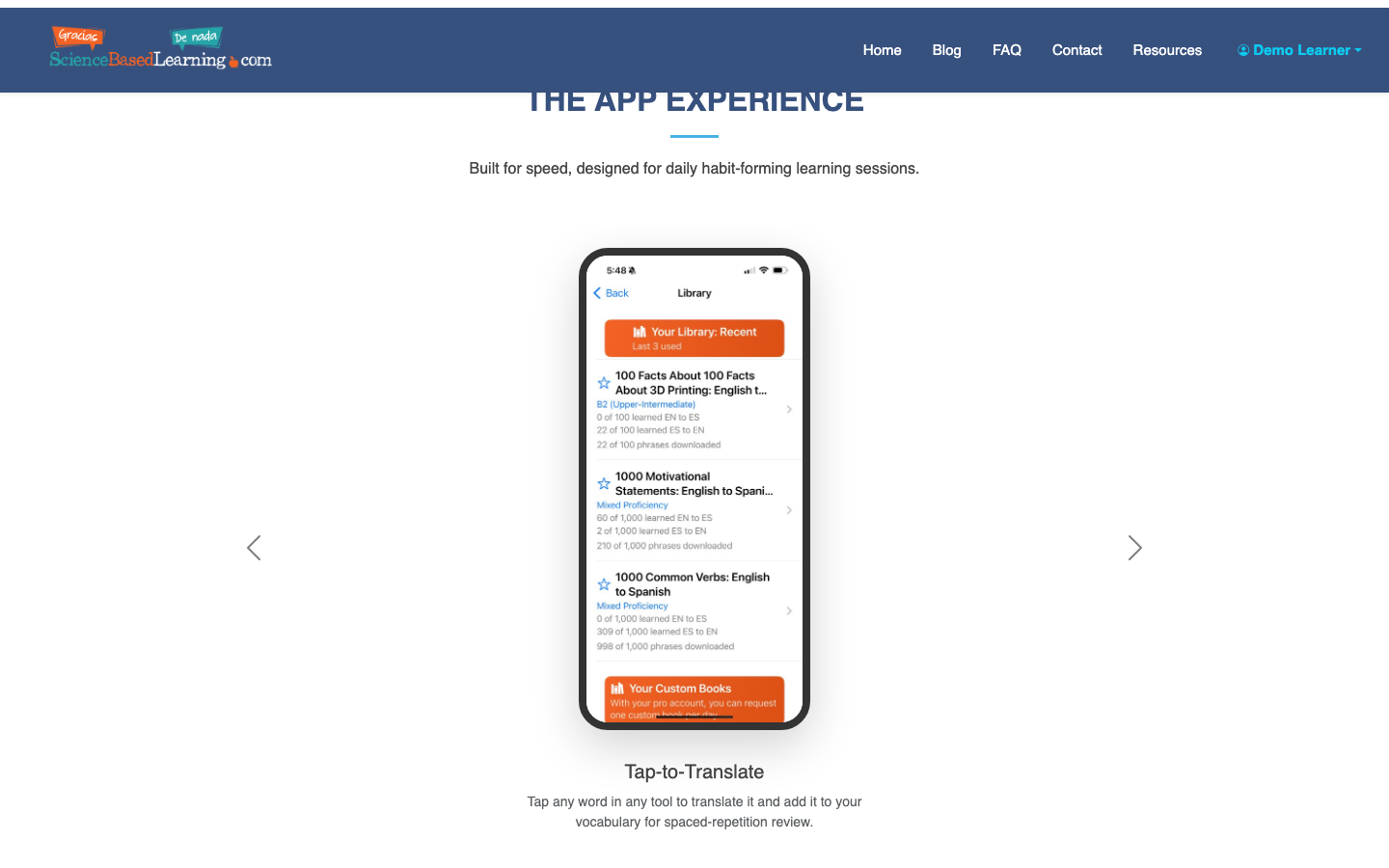
At first, aim for recognition, not full translation. Can you hear familiar words? Can you identify whether a sentence is a question? Can you tell where one word ends and the next begins? Those are real milestones.
6. Speak short Hindi sentences every day
Use pronunciation feedback and AI conversation practice for short, repeatable speaking tasks. Keep it simple:
- मेरा नाम ___ है।
- मैं हिंदी सीख रहा हूँ / सीख रही हूँ।
- मुझे चाय चाहिए।
- आप कहाँ से हैं?
- मैं थोड़ा हिंदी बोलता हूँ / बोलती हूँ।
Speaking early helps you notice what you cannot yet retrieve. That discomfort is useful. It turns passive recognition into active Hindi.
7. Learn grammar as patterns, not rules to memorize
Hindi grammar becomes easier when you study it inside example sentences. Focus first on:
- Word order: subject-object-verb
- Postpositions such as में, से, को, पर
- Gender patterns for common nouns
- Present-tense forms of होना
- Polite forms with आप
- Common question words such as क्या, कहाँ, कब, कौन, क्यों
Grammar puzzles are useful here because they force you to choose, reorder, and apply patterns instead of only reading explanations.
8. Add graded reading once you know the script
Once Devanagari feels less foreign, use short graded texts for reading comprehension. Do not wait until you can read perfectly. The goal is to read easy material repeatedly until Hindi sentence order feels normal.
For a broader study framework, see How to Learn a Language Fast. If you already speak another language and want to compare routines, How to Learn Spanish Fast and How to Learn Korean Fast show how the same daily structure changes by language.
A simple 30-day Hindi sprint
Use this schedule if you want a concrete start:
- Days 1-7: Devanagari sounds, greetings, pronouns, numbers, daily flashcard review
- Days 8-14: Basic sentence patterns, listening drills, 5 spoken sentences per day
- Days 15-21: Food, travel, family, present-tense verbs, short AI conversations
- Days 22-30: Graded reading, pronunciation feedback, review weak flashcards, 2-minute spoken summaries
By day 30, you should not expect fluency. You should expect momentum: a working script foundation, several hundred familiar words, beginner listening habits, and enough sentence structure to keep learning without feeling lost.
The fastest way is the routine you repeat
The answer to how to learn Hindi easily and quickly is not one perfect resource. It is a system that gives you the right task at the right time: review before you forget, listen daily, speak before you feel polished, and keep grammar attached to real sentences.
Science Based Learning is built for that kind of routine. Pick Hindi, set your level, and keep the daily session small enough that you can repeat it tomorrow.
