What “quickly” means for Polish
If you study consistently, you can usually reach useful travel and everyday Polish faster than you expect. A reasonable target is:
- 2-4 weeks: pronunciation basics, greetings, survival phrases, simple food and transport conversations
- 2-3 months: A1-level routines, present tense, common cases in fixed phrases, slow conversations
- 6-12 months: stronger A2/B1 comprehension if you keep listening and speaking daily
The tradeoff is simple: Polish rewards consistency more than marathon sessions. A 15-minute session every day will usually beat a 2-hour session once a week because pronunciation, endings, and memory all need repeated retrieval.
Step 1: Confirm Polish is available and choose your level
Start by choosing Polish and setting the right CEFR level. If you are new, choose A1 even if you already know a few words. Polish grammar compounds quickly, and a clean foundation saves time later.
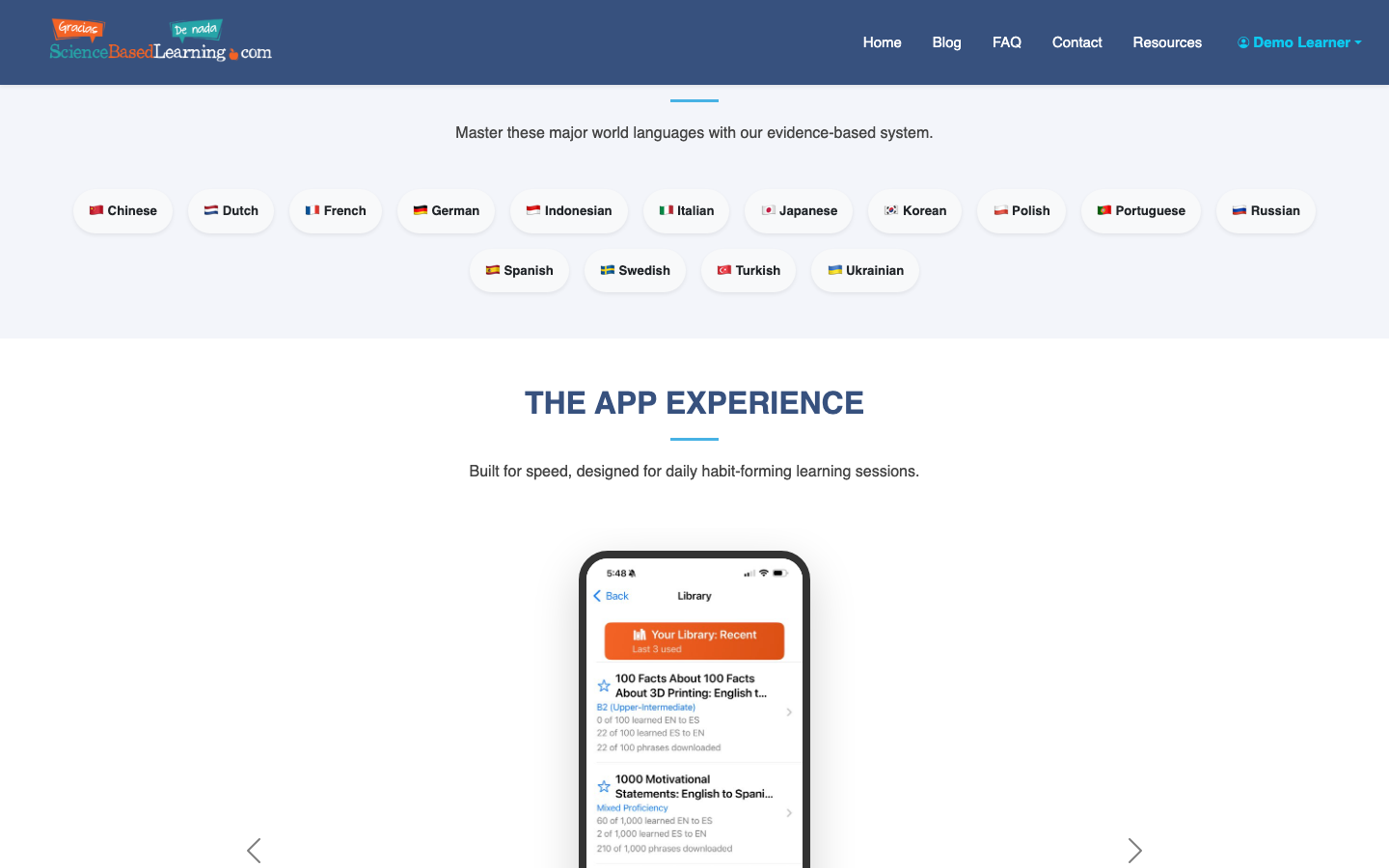
Science Based Learning supports Polish from A1 through C2, so you can keep the same routine as you move from beginner phrases to more advanced reading and conversation.
If your goal is travel, start with A1 and focus on listening, flashcards, and speaking. If you are studying for school or relocation, add grammar puzzles earlier so endings and sentence patterns do not stay vague.
Step 2: Build a 10-15 minute Polish routine
A quick Polish plan should be small enough to repeat daily. Use this structure:
- 3 minutes: review spaced-repetition flashcards
- 4 minutes: listening drills with native audio
- 4 minutes: pronunciation or AI conversation practice
- 3 minutes: grammar puzzle or short graded reading
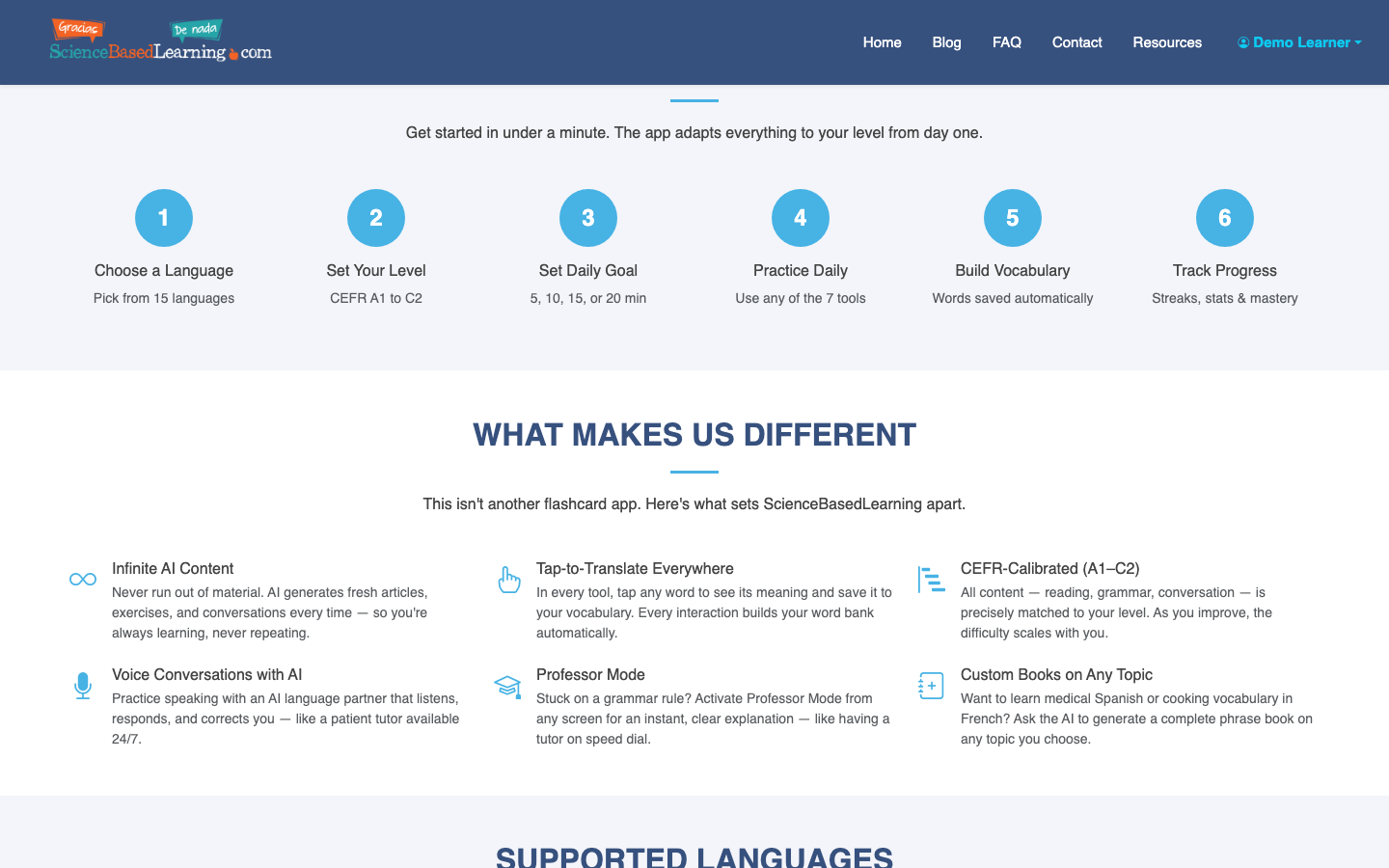
This mix matters because Polish difficulty is uneven. Vocabulary alone helps you recognize words, but listening teaches speed, pronunciation teaches mouth position, and grammar practice helps you understand why endings change.
Step 3: Learn pronunciation before memorizing too many words
Polish spelling looks intimidating at first, but it is more regular than English once you learn the sound system. Prioritize these early:
- sz, cz, rz, ż, ś, ć, ź, ń
- ł as an English-like “w” sound
- nasal vowels ą and ę
- stress, usually on the second-to-last syllable
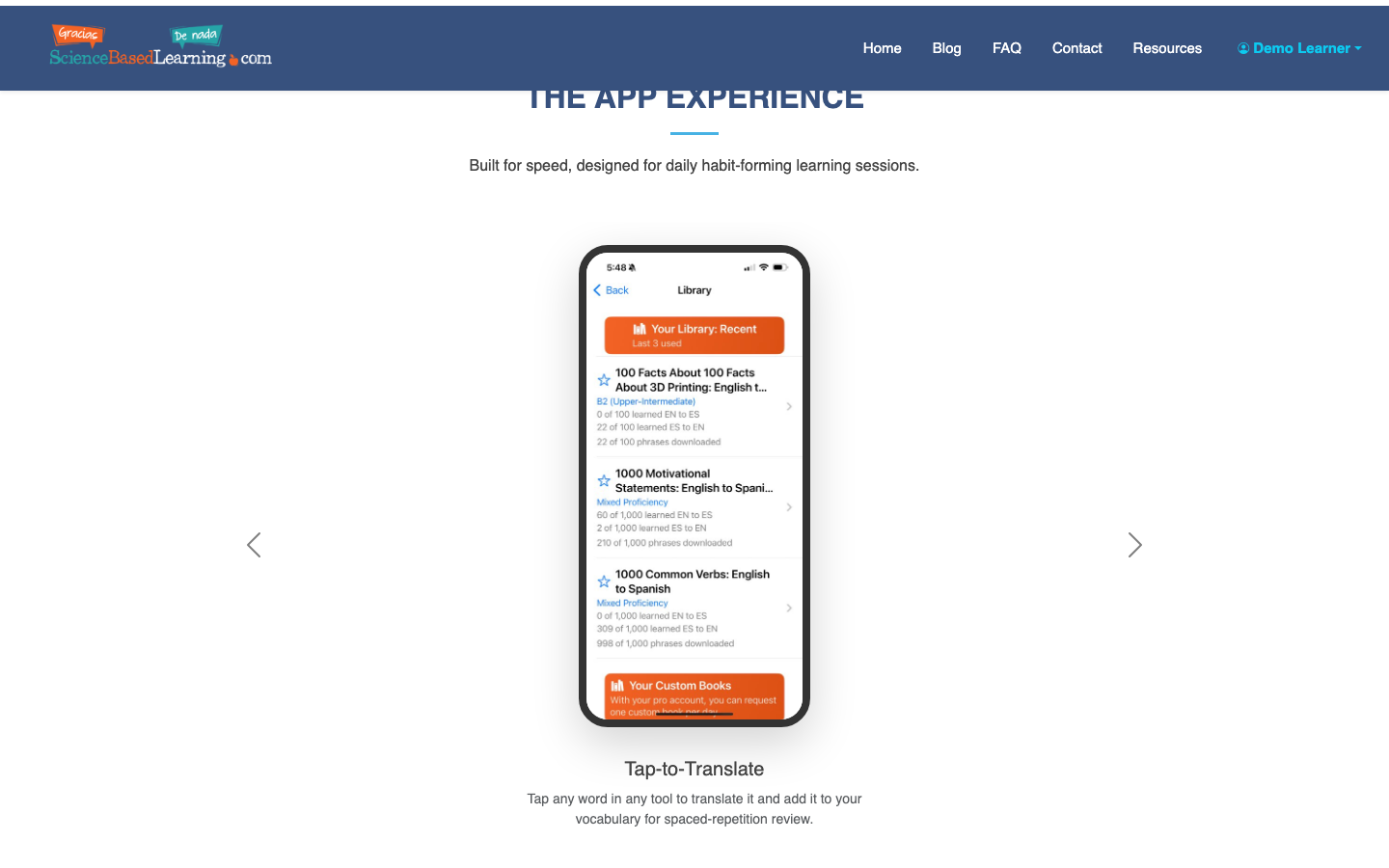
Use pronunciation feedback with the microphone instead of guessing from written words. Repeat short, useful phrases until your mouth can produce them without a long pause.
Good early phrases include:
- Dzień dobry
- Proszę
- Dziękuję
- Nie rozumiem
- Czy mówi pan/pani po angielsku?
- Poproszę kawę
Do not worry about perfect grammar in every phrase yet. First, make the sounds familiar and automatic.
Step 4: Use spaced repetition for high-frequency Polish words
To learn Polish fast, avoid random vocabulary lists. Start with words you will actually meet in beginner conversations: people, food, directions, time, transport, common verbs, and polite phrases.
Science Based Learning’s spaced-repetition flashcards are useful here because they bring words back right before you are likely to forget them. That is more efficient than reviewing the same list from top to bottom every day.
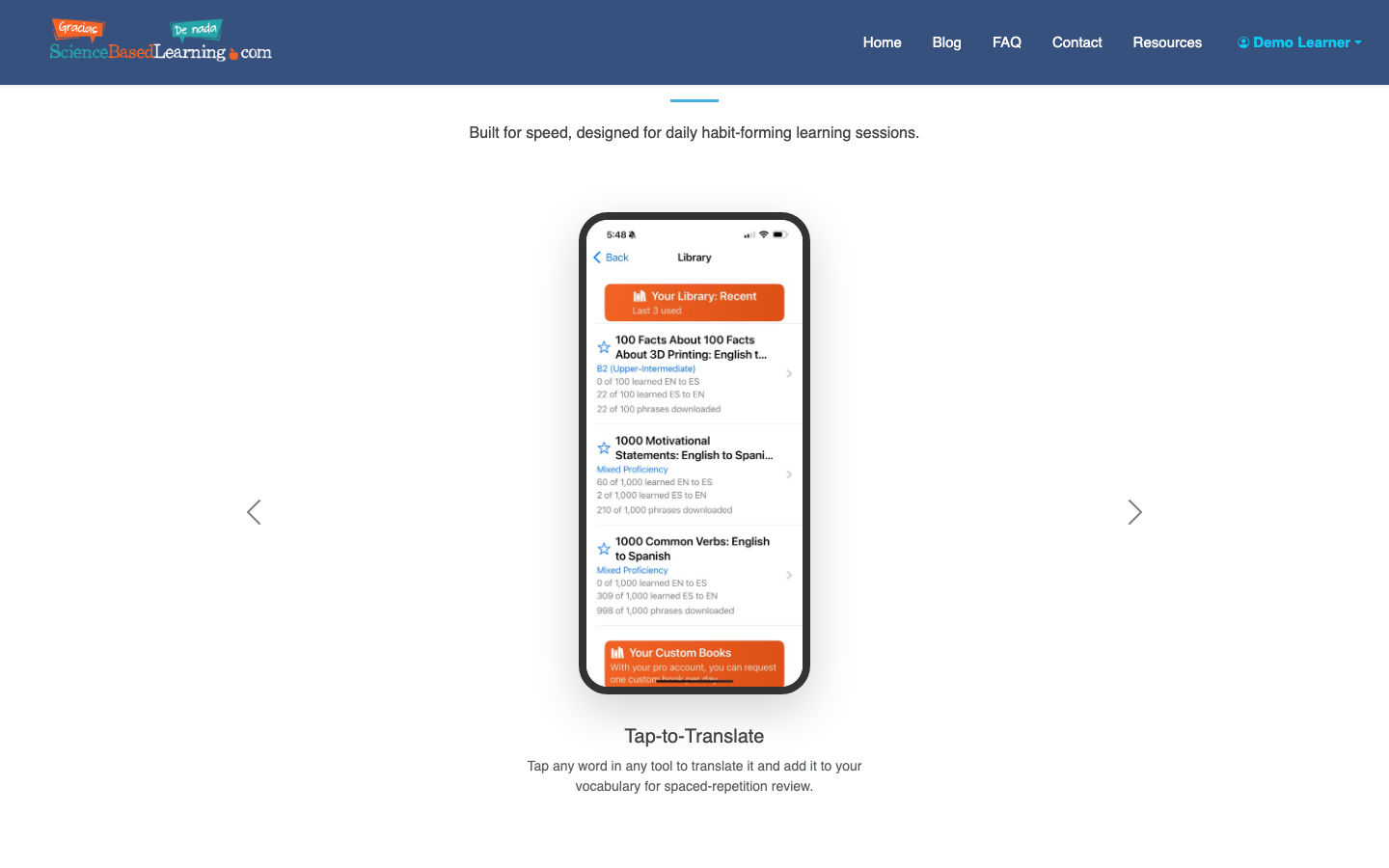
A strong first-month goal is 300-500 active words and phrases. That is enough to understand simple Polish content and form basic sentences without constantly stopping.
Step 5: Practice cases through patterns, not charts alone
Polish has seven cases, and they are one reason learners feel stuck. You do need grammar, but you do not need to memorize every ending before speaking.
Start with patterns that appear constantly:
- “I have” phrases: Mam kawę, Mam bilet, Mam pytanie
- “I am going to” phrases: Idę do sklepu, Idę do domu
- “I am from” phrases: Jestem z Polski, Jestem z USA
- polite requests: Poproszę wodę, Poproszę rachunek
Grammar puzzles help because they force you to notice endings in context. That is faster than reading a case table once and hoping it transfers to real conversation.
For a broader speed strategy that works across languages, see How to Learn a Language Fast.
Step 6: Add listening before you feel ready
Many learners delay listening until they “know enough words.” For Polish, that slows you down. You need early exposure to rhythm, reductions, and native-speed sound patterns.
Use listening drills with native audio, then replay short clips until you can identify word boundaries. At first, your goal is not full understanding. Your goal is to stop Polish from sounding like one long stream.
Try this listening sequence:
- Listen once without reading.
- Listen again with the transcript or prompt.
- Repeat one sentence out loud.
- Save unfamiliar high-frequency words for review.
This is also why Polish learners should not rely only on text apps. Reading “przepraszam” is one skill; recognizing and saying it smoothly is another.
Step 7: Speak early with controlled conversation practice
You do not need to wait until B1 to speak. You need a low-pressure way to reuse the words you already know.
AI conversation practice is useful for controlled beginner topics: ordering coffee, introducing yourself, asking for directions, describing your day, or explaining where you are from. Keep the topic narrow and repeat it for several days.
A good first speaking target is 20-30 short Polish sentences per day. They can be simple:
- Mam na imię Anna.
- Mieszkam w Chicago.
- Uczę się polskiego.
- Chcę zamówić kawę.
Speed improves when you stop translating every sentence from English and start reusing sentence frames.
Step 8: Track the streak, but measure useful output
A daily streak helps you stay consistent, but it should not become the only metric. Once a week, test what you can actually do.
Useful weekly checks include:
- Can I introduce myself without notes?
- Can I understand a 30-second beginner audio clip?
- Can I ask for food, directions, or help?
- Can I recall yesterday’s flashcards in Polish, not just recognize them?
If the answer is no, do not add more material. Review, listen again, and speak the same patterns until they become easier.
A fast 30-day Polish plan
Here is a practical first-month plan:
- Days 1-7: pronunciation, greetings, numbers, polite phrases, daily flashcards
- Days 8-14: food, transport, basic verbs, listening drills, short AI conversations
- Days 15-21: present-tense routines, common case patterns, graded readings
- Days 22-30: repeat real-life scenarios, record pronunciation, expand vocabulary to 300-500 words
If you already know another language, you may move faster. If Polish is your first foreign language, expect the grammar to feel heavy at first. That does not mean you are failing; it means you need more repetition in smaller pieces.
For comparison with another structured path, you may also like How to Learn Spanish Fast or How to Learn Korean Fast.
Start with a free account
Create a free Science Based Learning account, choose Polish, download the iOS app, and start with the A1 routine. Subscriptions are handled in-app through Apple, with Standard and Pro options depending on how much practice you want.
The important part is not choosing a perfect plan on day one. It is building a repeatable routine that makes Polish visible, audible, and speakable every day.